Introduction
Good health is the foundation of a happy and successful life. Regardless of age, occupation, or lifestyle, maintaining good physical and mental health should always be a priority. In today’s fast-paced world, many people struggle with unhealthy eating habits, lack of exercise, poor sleep, and increasing stress levels. These habits can gradually lead to obesity, diabetes, heart disease, and other serious health conditions.
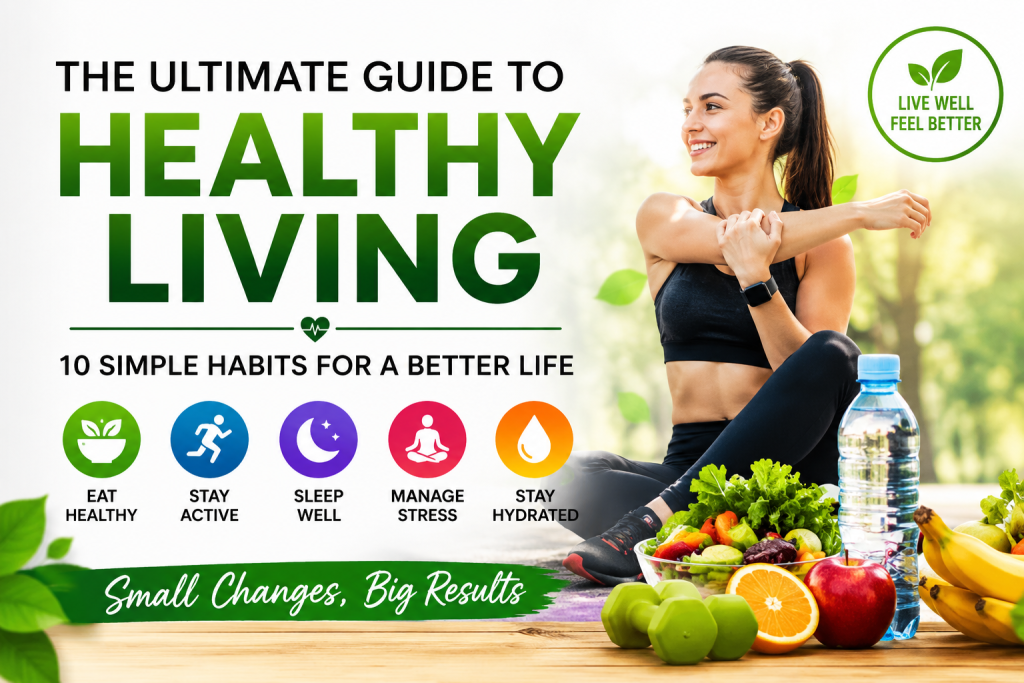
Healthy living is not about following strict diets or spending hours at the gym every day. Instead, it is about making small, consistent changes that improve your overall well-being. Drinking enough water, eating nutritious food, exercising regularly, sleeping well, and maintaining a positive mindset are all essential parts of a healthy lifestyle.
This guide explains the importance of healthy living and provides practical tips that anyone can follow to improve their quality of life.
1. Eat a Balanced Diet
Nutrition is one of the most important aspects of good health. Your body needs carbohydrates, proteins, healthy fats, vitamins, minerals, and fiber to function properly.
Include More Fruits and Vegetables
Fruits and vegetables are packed with vitamins, antioxidants, and fiber. Eating a variety of colorful fruits and vegetables helps strengthen the immune system and supports overall health.
Some excellent choices include:
- Apples
- Bananas
- Oranges
- Carrots
- Spinach
- Tomatoes
- Broccoli
Try to include at least one fruit and one vegetable in every meal.
Choose Whole Grains
Whole grains such as brown rice, oats, and whole wheat bread provide long-lasting energy and improve digestion. They are healthier than refined grains because they contain more fiber and nutrients.
Eat Enough Protein
Protein is essential for building muscles, repairing tissues, and supporting the immune system.
Healthy protein sources include:
- Eggs
- Fish
- Chicken
- Lentils
- Beans
- Milk
- Yogurt
- Paneer
- Soy products
Reduce Junk Food
Fast food often contains high amounts of unhealthy fats, sugar, and salt. Eating these foods occasionally is fine, but consuming them regularly may increase the risk of obesity and heart disease.
2. Stay Hydrated
Water plays a vital role in every function of the body. It regulates body temperature, transports nutrients, supports digestion, and removes waste.
Many people mistake thirst for hunger and end up eating unnecessary snacks. Drinking enough water throughout the day helps maintain energy levels and keeps your body functioning efficiently.
Simple tips to stay hydrated:
- Carry a water bottle.
- Drink water before meals.
- Replace sugary drinks with water.
- Eat water-rich fruits like watermelon and cucumber.
3. Exercise Regularly
Physical activity is one of the best ways to improve your overall health.
Regular exercise helps:
- Improve heart health
- Strengthen muscles and bones
- Maintain a healthy weight
- Improve mood
- Reduce stress
- Increase energy levels
Adults should aim for at least 150 minutes of moderate physical activity each week.
Good exercises include:
- Walking
- Running
- Cycling
- Swimming
- Yoga
- Skipping rope
- Strength training
Even a 30-minute walk every day can significantly improve your health.
4. Get Enough Sleep
Sleep is essential for physical and mental recovery.
Poor sleep can lead to:
- Fatigue
- Poor concentration
- Weight gain
- Weak immunity
- Increased stress
Healthy sleep habits include:
- Going to bed at the same time every night
- Avoiding mobile phones before sleep
- Keeping the bedroom quiet and dark
- Avoiding heavy meals late at night
Adults generally need about 7–9 hours of sleep each night, while children and teenagers often require more.
5. Manage Stress
Stress is a normal part of life, but chronic stress can affect both mental and physical health.
Healthy ways to manage stress include:
- Deep breathing exercises
- Meditation
- Listening to music
- Reading books
- Spending time with family
- Practicing hobbies
- Walking outdoors
Learning to relax and take breaks can improve overall well-being.
6. Strengthen Your Immune System
A strong immune system helps protect your body from infections and illnesses.
Ways to support your immune system include:
- Eating nutritious foods
- Getting enough sleep
- Exercising regularly
- Staying hydrated
- Managing stress
- Practicing good hygiene
Vitamin C-rich foods like oranges, lemons, guava, and bell peppers are excellent additions to a healthy diet.
7. Maintain Good Hygiene
Good hygiene helps prevent the spread of diseases.
Healthy hygiene habits include:
- Washing hands with soap
- Brushing teeth twice daily
- Taking regular baths
- Keeping nails clean
- Wearing clean clothes
- Covering your mouth while coughing or sneezing
These simple habits protect both you and those around you.
8. Avoid Harmful Habits
Certain lifestyle habits can seriously affect your health.
Avoid or limit:
- Smoking
- Excessive alcohol consumption
- Recreational drug use
- Excessive sugary drinks
- Overeating processed foods
Replacing unhealthy habits with positive ones can greatly improve your quality of life.
9. Maintain a Healthy Weight
Maintaining a healthy weight reduces the risk of many diseases, including diabetes, high blood pressure, and heart disease.
Healthy weight management involves:
- Eating balanced meals
- Exercising regularly
- Drinking enough water
- Sleeping well
- Avoiding crash diets
Remember that sustainable lifestyle changes are more effective than quick fixes.
10. Build Healthy Daily Habits
Small habits practiced consistently can lead to significant improvements over time.
Examples include:
- Drinking water after waking up
- Eating breakfast every day
- Taking the stairs instead of the elevator
- Walking after meals
- Stretching in the morning
- Limiting screen time before bed
- Reading for a few minutes daily
Consistency is the key to long-term success.
Frequently Asked Questions (FAQ)
What is the easiest way to start living healthier?
Start by making one small change at a time, such as drinking more water, walking daily, or eating one extra serving of vegetables.
How much exercise should I do?
Aim for at least 150 minutes of moderate exercise each week, such as brisk walking, cycling, or swimming.
Why is sleep important?
Sleep allows your body to recover, strengthens the immune system, improves memory, and supports mental health.
Is drinking water really important?
Yes. Water supports nearly every function in the body, including digestion, circulation, temperature regulation, and waste removal.
Can healthy habits prevent diseases?
Healthy habits can reduce the risk of many chronic diseases, including obesity, heart disease, and type 2 diabetes, although they cannot guarantee prevention.
Conclusion
Healthy living is not about perfection—it is about making better choices every day. A balanced diet, regular exercise, quality sleep, proper hydration, stress management, and good hygiene work together to improve your physical and mental well-being. Small, consistent changes often have the greatest long-term impact.
Start with one healthy habit today, and gradually build a routine that fits your lifestyle. Over time, these positive choices can help you feel more energetic, reduce your risk of disease, and improve your overall quality of life. Remember, investing in your health today is one of the best decisions you can make for a happier and healthier future.